
Emerging trends shaping the future of casino design
Integration of Technology and Immersive Experiences
The future of casino design is increasingly driven by advancements in technology, allowing for more immersive gaming experiences. Virtual reality (VR) and augmented reality (AR) technologies are transforming traditional casino environments, making them more engaging and interactive for players. These innovations enable users to step into a virtual gaming world, where they can engage with games in a way that was previously unimaginable. By incorporating VR headsets and AR overlays, casinos can offer a unique experience that attracts a younger demographic and enhances customer retention. For those interested in a vibrant online gaming experience, odinfortune-casino.com is an excellent choice.

Moreover, the integration of mobile technology plays a crucial role in casino design. With the increasing prevalence of smartphones, casinos are adapting by creating mobile-friendly environments that allow for seamless gaming experiences across devices. Casino apps and mobile gaming platforms are becoming essential components of modern casino design, enabling players to enjoy their favorite games anywhere and anytime. This shift not only enhances convenience but also encourages participation among casual gamers who prefer the flexibility that mobile gaming offers.
Additionally, the use of biometric technology, such as facial recognition and fingerprint scanning, is reshaping the security and customer service aspects of casino design. These technologies streamline processes like check-in and payment, making the overall experience more user-friendly. By prioritizing technology in their designs, casinos are not only enhancing gameplay but also fostering an environment that prioritizes safety and efficiency, ultimately setting new standards in the gaming industry.
Eco-Friendly and Sustainable Casino Design
As global awareness of environmental issues rises, casinos are increasingly embracing eco-friendly designs. Sustainable architecture emphasizes the use of renewable materials, energy-efficient systems, and environmentally conscious landscaping. These features not only minimize the ecological footprint but also attract a clientele that values sustainability. By incorporating green roofs, solar panels, and energy-efficient lighting, casinos can significantly reduce their energy consumption and operating costs, making them more sustainable in the long run.
Furthermore, water conservation is becoming a vital aspect of casino design. Many new casinos are implementing systems that recycle water or utilize rainwater harvesting to reduce overall water usage. This shift not only helps protect local water resources but also enhances the casino’s reputation as a socially responsible business. By promoting sustainable practices, casinos can distinguish themselves in a competitive market and appeal to environmentally conscious consumers.
Moreover, the integration of nature into casino design is another trend gaining traction. Biophilic design, which focuses on creating a connection between indoor environments and nature, is becoming increasingly popular. By incorporating natural elements such as indoor gardens, water features, and natural lighting, casinos can create a more calming and inviting atmosphere. This design approach not only enhances the aesthetic appeal but also promotes player well-being, thereby enriching the overall gaming experience.
Customization and Personalization in Casino Spaces
The trend towards personalization in casino design is reshaping how players interact with gaming spaces. Modern casinos are increasingly leveraging data analytics to understand player preferences and behaviors, allowing them to tailor experiences that resonate with individual customers. This customization can take many forms, from personalized game recommendations to individualized rewards programs that align with specific gaming habits. Such approaches foster loyalty and enhance the overall gaming experience.
Furthermore, the layout and design of casino spaces are evolving to accommodate varying preferences. Instead of a one-size-fits-all approach, many casinos are developing distinct zones tailored for different types of players. For instance, high-stakes players may prefer a more exclusive and luxurious environment, while casual gamers might enjoy a vibrant and social atmosphere. By creating specialized areas, casinos can cater to diverse audiences and enhance player satisfaction.
Additionally, the use of interactive technologies, such as touchscreens and digital displays, allows for a more engaging experience. Players can interact with kiosks to access information, promotions, and event schedules, making the environment more dynamic and user-friendly. This level of personalization not only improves the overall customer experience but also fosters a sense of community within the casino, encouraging players to return.
The Role of Aesthetics and Cultural Influences
Aesthetics play a pivotal role in shaping the atmosphere and identity of modern casinos. Designers are increasingly drawing inspiration from local culture and history to create unique spaces that resonate with the community. By incorporating elements reflective of local traditions, architecture, and art, casinos can establish a sense of place that appeals to both locals and tourists alike. This culturally-informed approach enhances the overall gaming experience and creates a more inviting environment.
Furthermore, the use of thematic designs can significantly enhance the aesthetic appeal of casinos. By creating immersive environments that transport players to different worlds—such as ancient civilizations or fantasy realms—casinos can create unforgettable experiences. These themes can be integrated into every aspect of design, from the layout and decor to the gaming machines and staff uniforms, offering a cohesive and memorable experience for players.
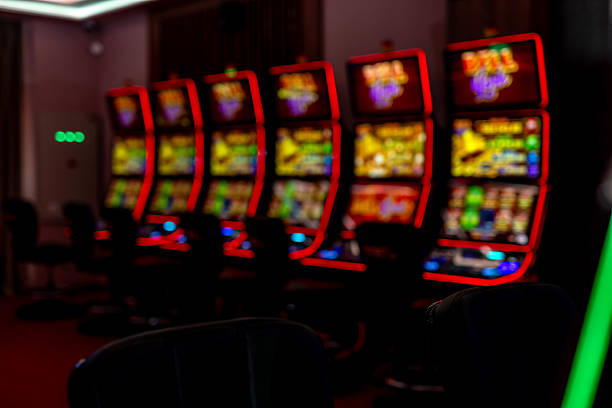
Additionally, lighting plays a crucial role in casino aesthetics, affecting not only the ambiance but also player psychology. Designers are increasingly experimenting with various lighting techniques to create moods that encourage gaming and social interaction. Soft, warm lighting can foster intimacy, while bright, dynamic lighting can enhance excitement. Understanding how lighting impacts behavior helps casinos create environments that maximize engagement and enjoyment.
Conclusion: The Future of Casino Design and Its Implications
As the landscape of casino design continues to evolve, several emerging trends promise to reshape the future of the gaming industry. The integration of technology, sustainability, personalization, and cultural aesthetics are just a few areas where innovation is driving change. These trends not only improve the gaming experience but also position casinos as forward-thinking establishments that align with modern consumer values.
One standout example of this evolution can be seen in online gaming platforms, such as Odin Fortune Casino. This virtual casino reflects many of the aforementioned trends by offering a vibrant, user-friendly interface that integrates mobile technology with immersive gaming experiences. With a commitment to responsible gaming and accessible options, it sets a benchmark for how casinos can leverage technology and design to attract players.
Ultimately, as casinos adapt to these emerging trends, they not only enhance their operational efficiency but also create environments that foster loyalty and community. The future of casino design is poised to be an exciting realm where innovation meets user experience, setting the stage for continued growth in the industry.